
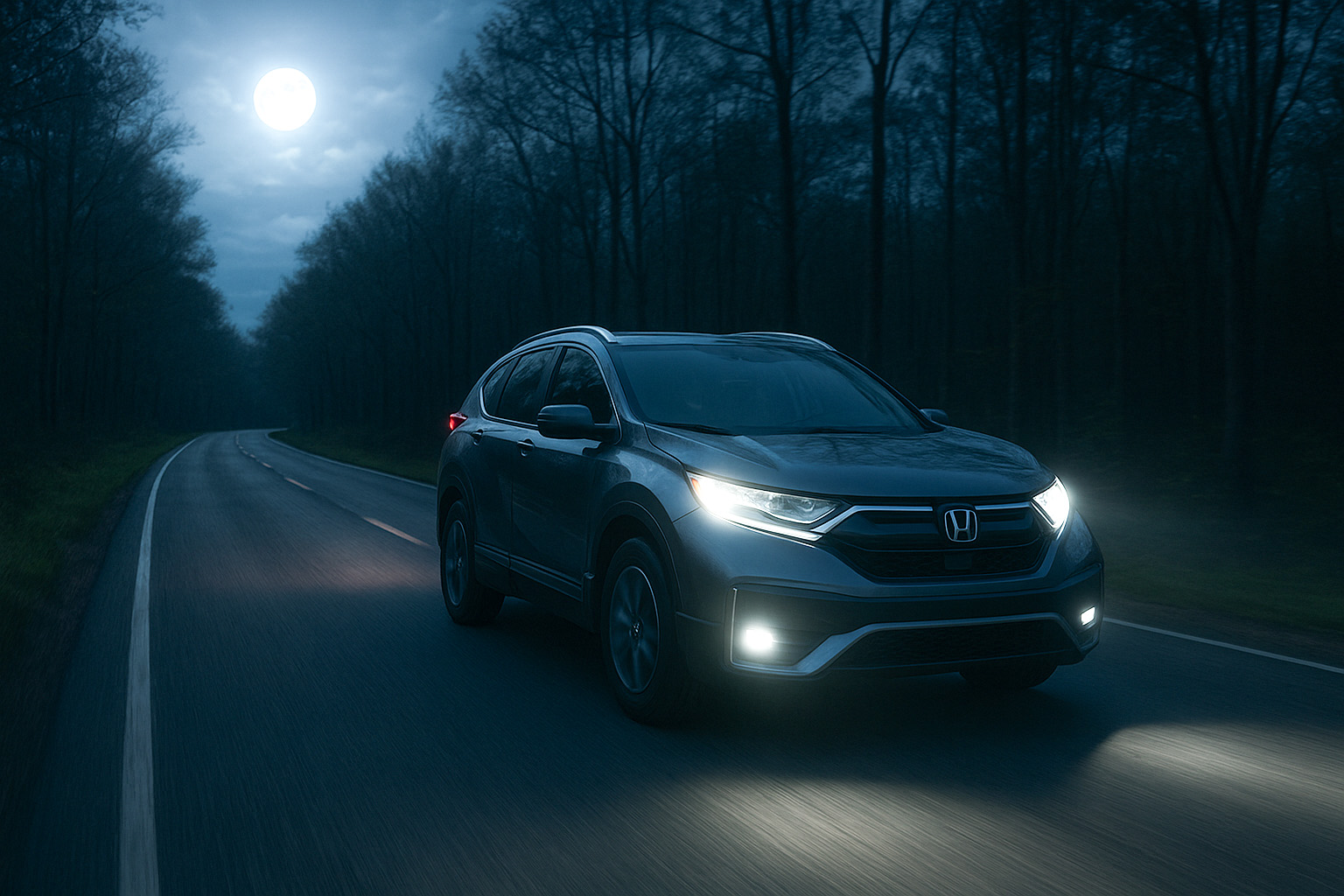
Driving at night is significantly more dangerous than driving during the day, largely because your visibility is reduced. Even with today’s advanced lighting and safety systems, low light conditions make it harder to judge distance, spot hazards, and react to unexpected obstacles.
But here is the thing: many drivers do not realize how much their vehicle and environment can impact what they see at night. From headlight design to windshield condition, several factors influence how clearly you can see the road.
This guide breaks down the biggest contributors to nighttime visibility and what you can do to stay safe.
Why Visibility Drops So Sharply at Night
Your eyes rely on contrast and ambient light to process what is in front of you. At night:
- Your pupils dilate, reducing your ability to focus
- Colors and depth perception fade
- Glare becomes more intense
- Objects far ahead blend into the darkness
Any additional obstacle, such as poor headlights or a worn windshield, makes nighttime driving even more difficult.
Key Factors That Affect Nighttime Visibility
1. Headlight Type and Brightness
Your headlights are your primary visibility tool at night, but not all headlights perform equally.
Halogen Headlights
- Standard on many older vehicles
- Warm yellow light
- Lower brightness compared to modern lighting
- Performance drops as bulbs age
LED Headlights
- Bright, crisp white illumination
- Wider field of light
- Excellent efficiency and visibility
HID Xenon Headlights
- Very bright with long reach
- Useful for rural or unlit roads
- Can create glare if misaligned
If your headlights seem dim, they may simply be dirty, oxidized, or near the end of their lifespan.
2. Headlight Aim and Alignment
Even the best headlights will not help if they are pointed in the wrong direction.
Poorly aimed headlights can cause:
- Reduced visibility in front of you
- Glare for oncoming drivers
- Dark spots in your lane
Common causes include rough roads, suspension wear, vehicle modifications, and minor accidents.
3. Fog Lights: When They Help and When They Do Not
Fog lights are designed for specific conditions, not everyday use.
Fog Lights Improve Visibility When:
- Driving through fog or mist
- Snow reduces visibility
- Oncoming glare reflects off moisture
- Roads are poorly illuminated
Fog Lights Do Not Help When:
- Visibility is normal
- Roads are dry
- Weather is clear
Using fog lights unnecessarily can add glare or distraction.
4. Windshield Condition: One of the Biggest Nighttime Visibility Factors
Your windshield may look fine during the day, but at night imperfections become much more noticeable.
Scratches
Scratches scatter incoming light and create:
- Starburst patterns
- Blurry vision
- Extra glare
Cracks and Chips
Even small cracks bend and distort light at night, creating blind spots and distracting reflections.
Windshield Pitting
Highway debris and sand gradually wear the glass surface.
Pitting becomes very noticeable under headlights and streetlights.
Haze and Film Buildup
Interior film from vents, smoking, or cleaning products can create a foggy surface that becomes much worse at night.
A damaged or worn windshield is one of the most overlooked causes of poor nighttime visibility.
5. Environmental Factors That Affect Visibility at Night
Glare from Oncoming Traffic
Modern LED headlights can be extremely bright. Scratched or pitted windshields intensify the glare.
Rain and Snow
Water droplets refract light and reduce your ability to see road lines or obstacles.
Fog and Humidity
Can cause both interior and exterior fogging, blocking visibility.
Dark Rural Roads
Without streetlights, your headlights do all the work, limiting your peripheral vision.
Dirty Road Debris
Salt, mud, and dust stick to your glass and smear when you use your wipers.
How to Improve Your Nighttime Visibility
1. Upgrade or Replace Headlights
LED and HID bulbs provide cleaner, brighter light if compatible with your vehicle.
2. Clean and Restore Headlight Lenses
Oxidized or yellowed headlights can reduce output by half.
3. Aim Your Headlights Correctly
Proper alignment can significantly improve visibility.
4. Clean Your Windshield Regularly
Use the right cleaning products for a streak free result.
5. Replace Worn Wiper Blades
Dirty or streaking wipers reduce clarity and worsen glare.
6. Avoid Looking Directly at Oncoming Lights
Shift your gaze slightly to the right edge of your lane.
7. Replace a Damaged or Worn Windshield
A new windshield eliminates glare, distortion, and starburst effects that make nighttime driving difficult.
Why Replacing a Damaged Windshield Improves Nighttime Safety
A new windshield restores:
- Light clarity
- True visibility
- Reduced glare
- Better performance for your headlights and eyes
Even small imperfections can cause major visibility problems at night, especially with modern bright LED headlight glare. Replacing the windshield can provide a noticeable improvement in safety and comfort.
Get a Free Windshield Replacement Estimate in Seconds
If your windshield is cracked, chipped, or pitted and is affecting your nighttime visibility, consider replacing it for your safety.
With AutoGlassEstimator.com, you can:
- Get a free estimate from up to three trusted shops
- Compare pricing instantly
- Enter only your ZIP code, vehicle make, model, and year
- Receive results in seconds
It is fast, simple, and helps you get the safest possible visibility when driving at night.