
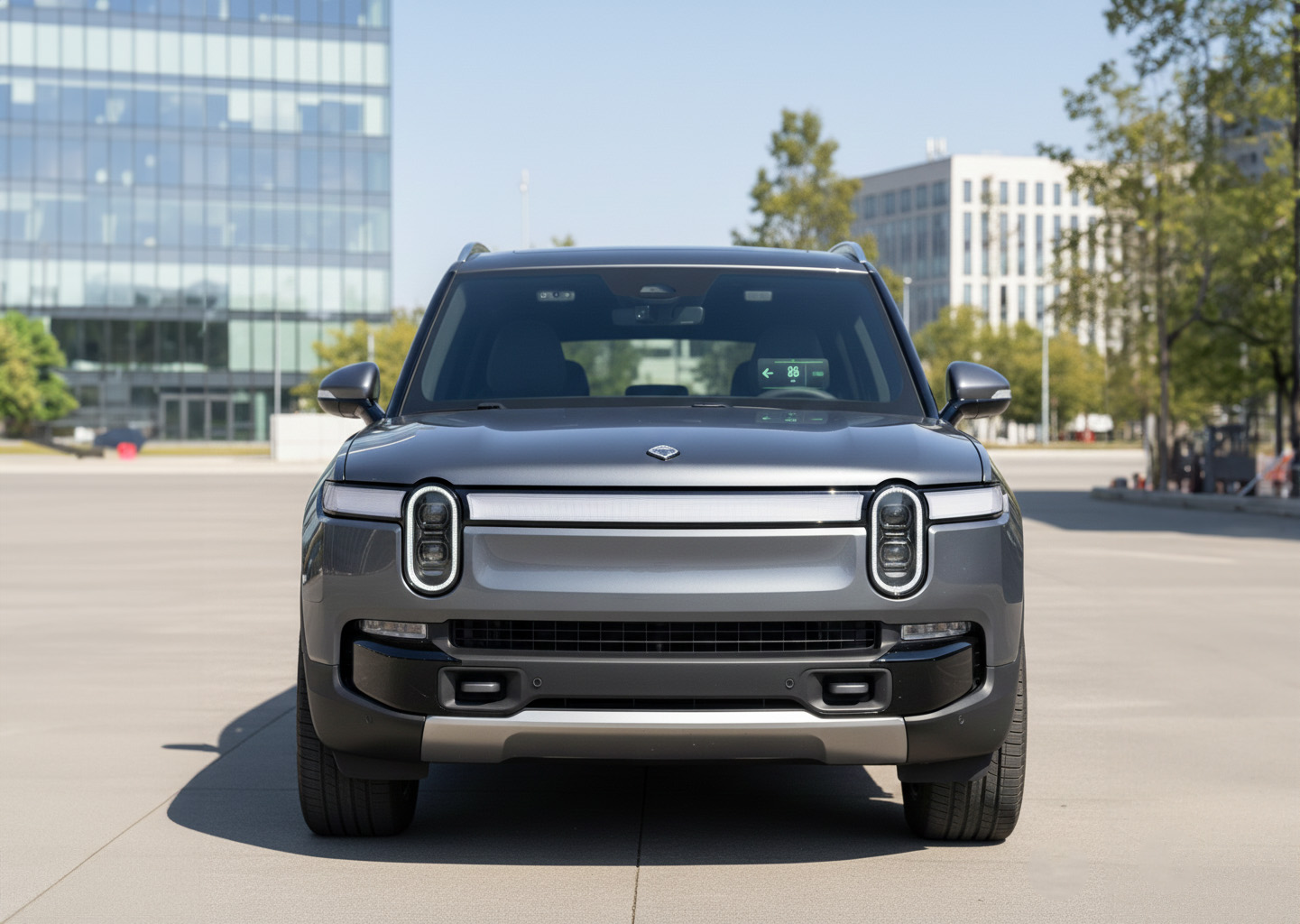
Windshields used to be simple safety components designed to block wind, debris, and weather. Today, they have evolved into one of the most technologically advanced parts of your vehicle. Modern windshields work alongside cameras, sensors, Head-Up Display (HUD) systems, and advanced driver-assist systems (ADAS) to keep you safer on the road. Because of this, replacing a damaged windshield is no longer just a matter of swapping out glass—it requires precision, expertise, and proper recalibration to ensure everything functions exactly as the manufacturer intended.
Below, we break down the most important windshield technologies found in today’s vehicles, how they work, and why proper replacement and recalibration matter more than ever.
ADAS Cameras: The Eyes of Modern Vehicles
Most new vehicles have at least one camera mounted directly behind or near the windshield. These forward-facing cameras help run ADAS features such as:
- Lane departure warning
- Lane keeping assist
- Adaptive cruise control
- Automatic emergency braking
- Traffic sign recognition
These cameras rely on a precise, unobstructed view through the glass. Even small variations in glass thickness, tint, or alignment can affect how the camera “sees” the road.
Why it matters after a windshield replacement:
If the windshield is misaligned by even a millimeter, the camera may misinterpret lane markings, obstacles, or following distance. That’s why manufacturers require a full camera recalibration anytime the windshield is replaced.
Rain Sensors: Smarter Wipers for Safer Driving
Many modern cars use rain-sensing technology embedded behind the windshield. These sensors detect moisture using infrared light and automatically adjust wiper speed depending on how heavy the rain becomes.
How they interact with the windshield:
Rain sensors are mounted to the inside of the windshield with gel or optical pads. If the new glass isn’t compatible or the sensor isn’t reattached correctly, your wipers may behave erratically or not activate when needed.
Light Sensors: Automatic Headlight Adjustments
Light sensors, often located near rain sensors, detect ambient lighting conditions. They trigger your headlights at dusk, during storms, or when you enter a tunnel.
Why replacement accuracy matters:
Improper installation can lead to lights that turn on too late, too early, or not at all, reducing nighttime visibility and safety.
Heated Windshields: Better Visibility in Harsh Weather
Some vehicles include built-in heating elements inside the windshield. These thin, nearly invisible wires help:
- Defrost ice faster
- Clear fog from the glass
- Improve visibility in freezing weather
Technology considerations during replacement:
Heated windshields must be replaced with OEM-equivalent glass that supports the same electrical connections. One wrong component can disable the system entirely.
Acoustic and Solar-Coated Glass: Comfort and Efficiency
Windshields today often include sound-dampening layers or UV-blocking coatings. These enhancements help:
- Reduce road noise
- Improve cabin comfort
- Protect the dashboard and interior from sun damage
- Increase energy efficiency in hot climates
Every layer contributes to safety and performance. Using the wrong replacement glass can undo these benefits.
Head-Up Displays (HUD): Information Projected Across the Glass
More vehicles now include HUD systems that project speed, navigation, and safety alerts directly onto the windshield.
How HUD interacts with your windshield:
HUD systems require specially treated glass with a reflective PVB layer. This ensures a clear, distortion-free projection. Installing a standard windshield on a HUD-equipped vehicle causes:
- Double images
- Blurry projection
- Incorrect positioning
Always confirm that the replacement windshield supports HUD systems.
Infrared and Night Vision Sensors
High-end vehicles may include night-vision cameras or infrared sensors positioned near the windshield to detect pedestrians, animals, or low-visibility hazards.
These systems rely on perfect optical clarity. Even slight imperfections—like cheap aftermarket glass—can interfere with how sensors interpret heat signatures.
Forward Radar Units and Sensor Fusion
While some radar sensors are mounted on the grille or bumper, many vehicles combine windshield-mounted cameras with radar to provide more accurate real-time data.
This “sensor fusion” powers important features like:
- Automatic emergency braking
- Collision avoidance
- Adaptive cruise control
Because these technologies work together, a windshield replacement affects many safety features—not just one.
Why Proper Windshield Replacement and Recalibration Are More Important Than Ever
A modern windshield is no longer just a piece of glass. It’s a structural safety device and a technological hub. When it’s chipped, cracked, or replaced incorrectly, the performance of your ADAS systems can be compromised.
After any windshield replacement, you need recalibration because:
- Cameras need precise alignment to manufacturer specifications.
- Sensors must be synced to ensure accurate interpretation of road conditions.
- HUDs require recalibrated projection angles.
- Rain and light sensors must interact correctly with the new glass.
Skipping recalibration can result in malfunctioning safety systems—and increased risk behind the wheel.
When It’s Time to Replace Your Windshield
You should consider replacement if:
- Cracks are in the driver’s line of sight.
- Damage is near a sensor or camera area.
- Chips continue spreading.
- The integrity of ADAS functionality is at risk.
Because modern windshields are integral to so many safety systems, replacement should only be handled by trained technicians who use manufacturer-approved procedures.
Get Accurate Windshield Repair Quotes the Easy Way
If you need a repair or replacement, using a trusted quote tool like AutoGlassEstimator.com helps you compare reputable shops in your area. You can see options, pricing, and availability, all in one place, so you choose a shop that understands modern windshield technology and performs proper recalibration.