
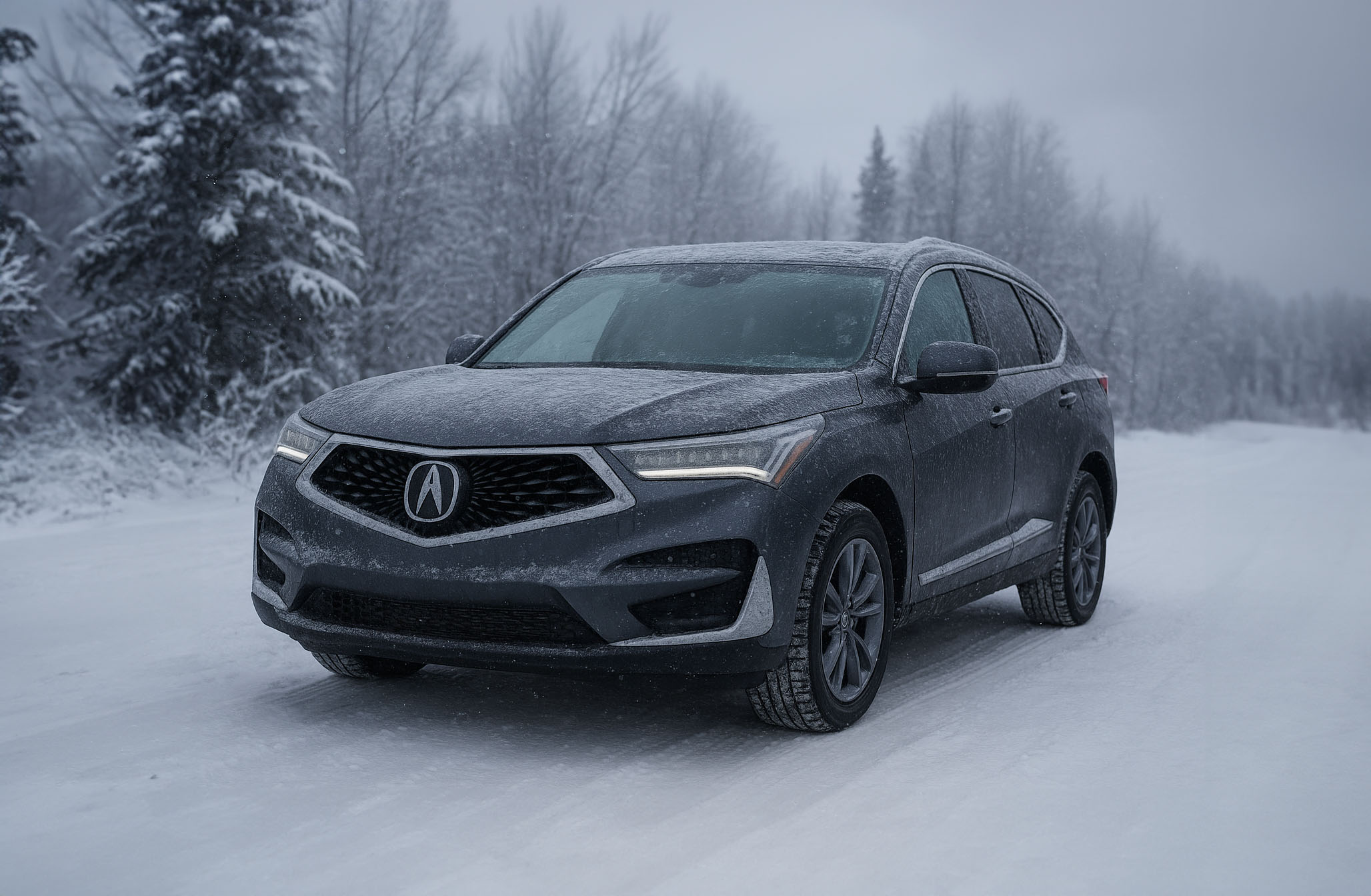
Winter weather is tough on vehicles. Freezing temperatures, snow, sleet, road salt, and long dark evenings combine to create conditions that impact your car’s performance, safety, and visibility. One of the most vulnerable components is your windshield, which takes the brunt of winter’s harsh elements every time you drive or park outside. Understanding how winter affects your car and knowing how to prepare can help you avoid repairs, improve safety, and maintain clear visibility throughout the season.
How Winter Weather Affects Your Car
1. Battery Power Drops in Cold Temperatures
As temperatures fall, battery efficiency drops sharply because chemical reactions inside the battery slow down. Your engine needs more power to start in cold conditions, but your battery delivers less of it at the exact moment you need it most. A weak or aging battery is far more likely to fail on freezing mornings, especially after sitting overnight.
What to do:
Have your battery tested before winter. If it’s more than 3–4 years old or already showing signs of weakness, replace it early to avoid getting stranded.
2. Engine Oil Thickens in the Cold
Cold weather thickens engine oil, making it harder for the lubricant to flow through the engine and protect internal components. This results in higher friction during startup, which increases wear and puts additional strain on the engine. Over time, repeated cold starts with thick oil can shorten engine life.
What to do:
Use winter-grade oil recommended by your manufacturer and keep up with regular oil changes to ensure proper lubrication.
3. Tire Pressure Drops and Traction Decreases
Cold air causes tire pressure to drop — often by 1–2 PSI for every 10°F drop in temperature — which leaves you with softer, less stable tires. Underinflated tires reduce traction, fuel efficiency, and braking performance, particularly on icy or snowy roads where grip is already limited. Proper tire pressure is one of the simplest yet most important winter safety factors.
What to do:
Check tire pressure weekly in winter, and adjust as needed. Consider winter tires if you live in an area with heavy snow or frequent icy conditions since they offer better grip.
4. Salt and Road Chemicals Cause Corrosion
Salt, brine, and road chemicals help melt ice, but they also cling to your vehicle’s undercarriage, fenders, and even glass. Over time, these chemicals can accelerate rust and wear down metal components, including brake lines and suspension parts. Even painted surfaces can suffer long-term damage if salt isn’t removed regularly.
What to do:
Wash your car frequently in winter, including the underbody, to remove corrosive residue.
How Winter Weather Impacts Your Windshield
1. Rapid Temperature Changes Can Crack the Glass
When your car warms up quickly — such as when the defroster is set to full heat immediately — the glass can expand faster than it can adjust. If the windshield already has a small chip or weak spot, sudden temperature swings can turn that minor blemish into a spreading crack. This type of thermal shock is one of the most common causes of winter windshield damage.
Why it happens:
Glass expands when heated and contracts when cold. Uneven temperature changes create stress points that gradually worsen existing damage.
2. Ice Buildup Can Worsen Damage
Ice can settle into existing chips or scratches, filling the damaged area with moisture. As that moisture freezes and expands, it can push the edges of the damage outward and worsen the crack. Over time, what starts as a small chip can quickly turn into a repair that requires full replacement.
What to do:
Remove ice gently and avoid chipping or scraping too hard to prevent additional stress on the glass.
3. Hot Water on a Frozen Windshield Can Shatter It
Pouring hot water on a frozen windshield might seem like a quick solution, but the extreme temperature difference can cause the glass to crack instantly. Rapid expansion from the heat creates uneven stress that fragile winter glass can’t handle. In some cases, severely frozen or damaged windshields can even shatter outright.
4. Wiper Blades Wear Out Faster
Snow, ice, and road slush put extra stress on your windshield wipers and can cause them to tear or lose flexibility. Wipers also tend to freeze to the windshield, and pulling them free can damage the rubber edge or even the wiper arm. Once they degrade, wipers leave streaks behind and can’t effectively clear your view in bad weather.
What to do:
Replace wipers at the beginning of winter and never use them to scrape ice or heavy snow off the glass.
5. Reduced Visibility from Snow, Ice, and Road Film
Winter roads are dirty, and vehicles in front of you kick up salt, snow, and slush that quickly coats your windshield. Inside the cabin, temperature differences can create ice fog or condensation, which further reduces visibility. All of these factors combine to make a clean, undamaged windshield more crucial than ever during winter.
What to do:
Keep plenty of winter windshield washer fluid in the reservoir and clean your glass inside and out. Repair chips or scratches early before they become visibility hazards.
How to Prepare Your Car and Windshield for Winter
1. Inspect Your Windshield Before Freezing Temps Arrive
Check your windshield for chips, cracks, pitting, or scratches — even small imperfections can worsen in winter as temperatures fluctuate. Damage that seems minor in mild weather may suddenly spread once freezing moisture settles into the glass. Taking care of these issues early prevents costly repairs and reduces the risk of sudden visibility problems while driving.
If you discover damage, consider repairing or replacing the glass before the cold weather hits. You can quickly compare prices from trusted shops using our free quote tool on AutoGlassEstimator.com.
2. Stock Up on Winter Supplies
Winter driving often requires extra tools and safety gear to handle unexpected weather changes. An ice scraper, snow brush, and winter washer fluid will help maintain visibility during storms and icy mornings. Emergency supplies like a blanket, portable jumper, and tire gauge can also help you stay safe if your vehicle breaks down in freezing temperatures.
3. Replace Your Wiper Blades
Fresh wipers can dramatically improve visibility by clearing away snow, ice, and road spray much more effectively. Older wipers often leave streaks or skip across the glass because the rubber hardens in freezing weather. Replacing them early ensures that your windshield stays clear, even in heavy precipitation.
4. Keep Your Gas Tank at Least Half Full
Keeping fuel in the tank prevents condensation from forming inside the fuel system, which can freeze and block fuel lines. It also gives you extra range if you get stuck in traffic during winter storms. In emergencies, running the engine intermittently can help keep you warm while you wait for assistance.
5. Protect Your Doors and Seals
Rubber door seals can freeze shut when moisture gets trapped between the door and the frame. Over time, repeated freezing can cause the seals to tear or lose flexibility. Treating them with a silicone-based lubricant helps prevent sticking and keeps the rubber in good condition throughout the season.
6. Warm Your Vehicle Gradually
Blasting the heater or defroster on high immediately can shock the glass, stressing weak spots and increasing the chance of cracking. A more gradual warm-up helps the windshield adjust evenly and reduces the risk of thermal stress. It also gives your engine time to warm up, improving performance and fuel efficiency in cold weather.
When defrosting your windshield:
- Start the defroster on low heat
- Increase slowly as the glass warms
- Never pour hot water on the glass
When to Repair or Replace Your Windshield Before Winter
You should repair or replace your windshield if a chip is larger than a quarter or a crack is longer than 3–6 inches. Damage that is spreading or located in your line of sight also warrants immediate attention because it affects structural integrity and visibility. Pitted or heavily scratched glass can cause glare from headlights and snow, making night driving much more difficult.
Minor damage becomes major damage very quickly in freezing temperatures, so addressing it early saves money and improves safety. To compare repair and replacement quotes instantly, use our free online quote tool, it lets you check pricing from multiple trusted auto glass shops in your area.
Final Thoughts
Winter puts your car and windshield through some of the toughest conditions of the year. Taking the time to prepare — from checking your battery and tires to inspecting your windshield and replacing worn wiper blades, ensures better visibility and safer driving throughout the season. If your windshield is already damaged, getting it repaired or replaced before freezing temperatures hit is one of the smartest preventative steps you can take.
And with AutoGlassEstimator.com’s free quote tool, finding the best price for windshield repair or replacement only takes a few seconds.